MASLOW
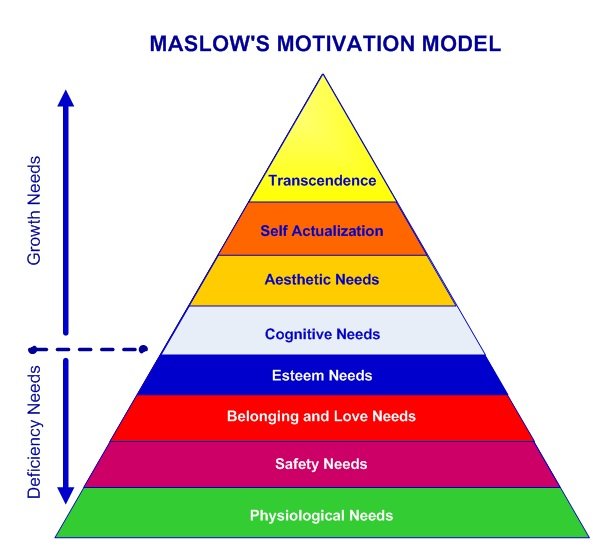
Human needs
PHYSIOLOGICAL NEEDS
- sex
- sleep
- normal physiological parameters
- food and drink
- oxygen
SAFETY NEEDS
- boundaries
- predictability
- stability
- warmth and shelter
- security
- roots
- freedom from fear and anxiety
BELONGINGNESS NEEDS
- love
- intimacy
- affection
- someone to confide in
- friendship
- company
- acknowledgement
ESTEEM NEEDS
- esteem
- status
- approval
- appreciation
- recognition
SELF-ACTUALISATION NEEDS
- realisation of innate potential
- self-fulfilment
- self-expression
- self-esteem
- self-respect
- self-confidence
The inner curriculum: For the GP Registrar.
SURVIVAL
- Timetable, protected time
- Own room, desk, equipment
- Working knowledge of prescriptions, certificates, forms
- Local geography, medical facilities, services, telephone nos
- Knowledge of surgery arrangements, names of staff
- Free from non-professional worries eg money, health, personal
SAFETY
- Availability of trainer's help and support
- Able and willing to ask for help
- Availability of books and information resources
- Competent in dealing with urgent and straightforward physical
- illness
- Basic clinical knowledge and skills
- CONFIDENCE
- Accepted by and contributes to PHCT
- Involves other team members appropriately
- Willingness to take responsibility: can "hold" situations
- Makes and manages psychological and social diagnoses
- Recognises and rectifies clinical blind-spots
- Deals competently with minor illness and atypical presentations
- Bonding with trainer
- RECOGNITION
- Hungry for new ideas and experiences
- Aware of and willing to address own needs and motivations
- Intersted in "softer" topics eg hidden agendas, consultation
- skills, doctor/patient relationship
- Can accept criticism and praise
- Attracts a personal following of patients
- Confidence not dependent on trainer's approval
- SELF-ESTEEM
- Feels comfortable with, not oppressed by trainee role
- Can use "self" in consultations - Balint-wise
- Comfortable balance between private and professional life
- Not addicted to an idealised "doctor" role
- Tolerates inadequacy, uncertainty and occasional failure
- Negotiates and organises own educational programme
- Takes pride in keeping clinically well-informed and up-to-date
- Knows own strengths and limitations
- Can advise, challenge and constructively criticise trainer
- Aware of transference issues in trainer/trainee relationship
- AUTONOMY
- Takes responsibility for own continuing education
- Successfully negotiates transition from trainee to principal
- Finds and maintains ways to enhance job satisfaction
- Discovers, chooses and pursues own interests
- Sense of overall purpose, worth and direction
